

All gins by law must include juniper as an ingredient.
Juniper berries, are not berries at all but the female cones of the juniper conifer. They take two years to mature slowly on the plant.
Nose: Earthy piney almost antiseptic with hints of citrus & peppery notes. Some varieties have a slight toffee-vanilla smell.
Taste: Bitter-sweet, slightly woody, pine flavour from main chemical flavour - pinene which literally means “scent of the pine”.

Gin is made from alcohol of agricultural origin that is distilled, flavoured with juniper berries and aromatics, which are known and referred to as “Botanicals”
___________________________________
___________________________________
Essential Botanical
Juniper Berries
Coriander is the second most common ingredient in gin. It is a medicinal and aromatic plant. The seeds have a lemony citrus flavour when crushed, due to terpenes, linalool and pinene. Its oil is a colourless or pale yellow liquid with a characteristic odour of linalool (pleasant scent (floral, with a touch of spiciness) and a mild, sweet, warm, aromatic flavour.
___________________________________
___________________________________
Most Common, Core Botanicals
Coriander Seeds
Enter Text
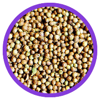
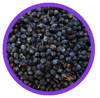

Angelica Root
Angelica is a key ingredient: it is used as fixatives as it holds the volatile flavours of other botanicals and marries them together giving length and substance to gin. It adds earthy base-notes to the gin as well as a sweet and floral nose, - woody, spicy notes and balanced flavour.
___________________________________
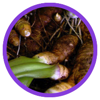
Orris Root
The orris root is the bulb - rhizome (mass of roots) of the iris. Once used in herbal medicine, orris root is more commonly used in the manufacture of perfumes for its scent which is reminiscent of parma violets. It has a heavy flowery and woody flavour that helps bind (fix) the other components in the gin together.
___________________________________
___________________________________
___________________________________
Other Citrus Botanicals


Orange Peel
Fresh or dried orange peel, is frequently used by gin distillers. Typically, dried Seville orange peel is used or with sweet oranges generally fresh fruit is used. The use of fresh or dried and sweet or bitter orange makes a big difference to the end result. Organic oranges are preferred by some distillers as these are not subject to the use of pesticides or herbicides which can effect the flavour. The aromas of the orange-heavy gin are dry and astringent – it’s like the smell-equivalent of the bitterness of orange peel. The actual smell that you associate with the fruit is there, but it’s very subtle and restrained. The overall effect is one of lifting the gin, making if fresher and breezier. It accentuates the lighter notes of the juniper and balances against the spicy, earthy flavours.
Lemon Peel
As with orange, fresh or dried peel is used to flavour gin instead of the flesh. The skin contains a high concentration of the fruit's flavoursome oils.
Lemon is easily identifiable in gin and exudes fresh breezy zesty nose. As with orange It accentuates the lighter notes of the juniper and balances against the spicy, earthy flavours of other botanicals.
___________________________________
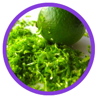
Lime Peel
As with orange, fresh or dried peel is used to flavour gin instead of the flesh. The skin contains a high concentration of the fruit's flavoursome oils.
Lemon is easily identifiable in gin and exudes fresh breezy zesty nose. As with orange It accentuates the lighter notes of the juniper and balances against the spicy, earthy flavours of other botanicals.
___________________________________
Grapefruit Peel
As with lemon or lime, grapefruit peel adds citrus & fresh acidity but without the distinct aroma.
Normally pink grapefruit peel is used giving the gin a distinctive fresh zing livening it up somewhat, - a definite clean, fresh, luscious, zesty nose.

___________________________________
Bitter Orange
Bitter oranges, also known Seville oranges, are used in the production of marmalade as well as in herbal medicines and as appetite suppressants. Bitter oranges have an amazingly distinctive combination of sweet, sour and bitter flavour that a normal orange lacks and they blend in astonishingly well with the other citrus notes. Their rinds have fewer oils and therefore don’t impart as much orange flavour
___________________________________

Distinctly different to orange, tangerine provides a warmer citrus addition to gin which can be less disruptive when combined with herb botanicals.
___________________________________
Tangerine
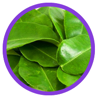
Kaffir lime also goes by the name Makrut lime – a politically correct title growing in popularity due to the connotations associated with the word Kafir which is Arabic for non believer. The nose is floral and citrusy and also give off a slight hint of vanilla. The leaves bring an aromatic freshness to gin and lack the “heat” of citrus peel. A limey lemony flavour with similar to lemongrass is usually present.
___________________________________
Kaffir Lime Leaves

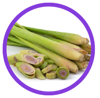
Intense herbal and lemony flavour of lemongrass. A bit similar to lemon verbena and other citrus-scented grasses when distilled in gin. Brings an “Asian” flavour and adds to the dryness of the gin.
Lemon Grass
___________________________________
___________________________________
Floral Botanicals
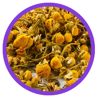
Commonly used in “night-time” tea by people who believe that it can help relieve stress and aid sleep. Also sometimes used by “cheeky” bartenders who use the herb to encourage lucid dreams. Distilled, chamomile brings warming floral tones and a slight sweetness - almost honey-like. The aroma is possibly more distinct than having it in hot tea. Camomile doesn’t rot during distillation like some other floral botanicals thereby allowing a full flavour to be released. Unlike violet & lavender it does not dominate and is therefore far more complementary.
Camomile
___________________________________
Citrusy, Floral, Fragrant
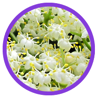
The elderflower is from the flowering elderberry plant. Used in cooking and to produce soft drinks such as elderflower cordial, as well as being added to alcoholic drinks such as Sambuca. More apparent on the nose, Elderflower adds delicately sweet floral notes - a soft freshness - to gin and has a very light taste.
___________________________________
Elderflower
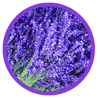
Lavender can create a heavenly smooth and creamy feeling in the mouth as well as a fantastic aroma.
It is very important however to select the right variety to avoid a booming almost sickly lavender perfumed smell. It takes a brave distiller to add lavender to his botanicals as it certainly is not to everyone’s liking. Just a quick soak in the distillate rather than a lengthy infusion is the key.
___________________________________
Lavender
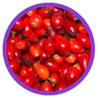
Botanically, roses are related to apple trees. So the "hip" is the apple that the rose bush produces. They have many uses in food, for ornamental value and in medicines due to their high vitamin C content. Rose hip is a very rare flavour, tangy, fruity, slightly citrus and gives gin a fresh feeling on the palate.
___________________________________
Rose Hips
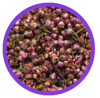
Traditionally Scots used heather and wild herbs as well as hops to flavour their beer. A gentle floral flavour that works well in Gin.
It gives off the same aromas you get from tromping through a heather patch in full bloom. Often used in conjunction with other floral flavours.
___________________________________
Heather (Heather Flowers)
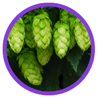
There are a huge number of hop varieties. Each one giving producing slightly different aromas and taste. Unlike the bitterness imparted in beer production, aromatic hops when distilled for gin generally have a pleasant, sweet flavour, which lingers in your mouth. The aromas are usually floral, earthy with a mild citrus nose (lemon, grapefruit or orange) depending on the variety.
___________________________________
Hops
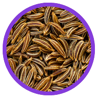
Caraway seeds have a warm, sweet, and slightly peppery aroma when squeezed between index and thumb fingers. A peppery and menthol taste on the tongue it adds a real freshness to gin. After the initial minty hint has diminished, the flavour gives way to a taste not unlike sunflower seeds. The seeds are used extensively in European and Mediterranean cooking.
Caraway Seeds
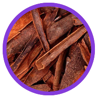
Cassia Bark
Cassia is a relative of the true cinnamon of Sri Lanka. It is sometimes referred to as Chinese cinnamon. It is the bark of a tree which grows in Vietnam, China and Madagascar. It adds a strong cinnamon style flavour with an extra peppery punch somewhat reminiscent of mulled wine. Cassia bark emits a fiery scent, it’s a little sweeter than cinnamon. Gin makers use both spices commonly, although sparingly. Its hot and spicy smell that adds a warmth to gin. It has an earthy tone and a sweet finish, reminiscent of liquorice. Typically, the flavour is more noticeable towards the finish when tasting gin, as opposed to on the aroma.
___________________________________
___________________________________
___________________________________
Other Commonly Used Botanicals
___________________________________
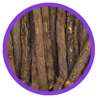
Liquorice Root
Similar in taste to star anise and fennel, the sweetness in liquorice comes from glychyrrhizin, which is sometimes used as a natural sweetener.
The name liquorice was derived from the Greek word meaning sweet root, descriptive of its long lasting, mellow, sweet, woody flavour.
It was often used in the 19th century to obscure the taste of the base spirit.
___________________________________
Cubeb
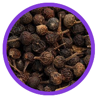
Cubebs or tailed peppers are the berry looking fruits of the piper plant, which are collected before they are ripe and then dried. They come from Indonesia where they are cultivated for their fruit and oil. They are highly flavoursome, giving a persistent bitterness and an intense lavender-like floral aroma combined with a cracked pepper taste. They work well along side other core gin botanicals.
___________________________________
True Cinnamon
Cinnamon comes from the Cinnamomum verum tree. It is native to Sri Lanka
You can tell that a cinnamon stick is “True Cinnamon” if the rolls are tightly coiled, have multiple layers apparently wrapped around one another, and are fairly easy to grind into a powder. Although many gins, particularly in the USA, claim to use Cinnamon it it is likely that they actually use Cassia. In the US, Cassia is frequently mis-sold as Cinnamon!
Cardamom Seeds
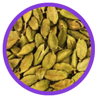
Cardamom, sometimes called cardamon, is used in a huge number of contemporary gins. The seeds come from a plant belonging to the ginger family, and are contained in small pods around the size of a cranberry. Its the little black seeds which have all the flavour: pungent, creamy, slightly peppery and slightly chai-like,
Native to India, Pakistan, Nepal, and Bhutan, but cultivated widely in Guatamala.
As with many popular gin botanicals, cardamom pods were valued for its medicinal qualities ahead of its taste.
Once distilled it adds definite piquancy on the nose, and to taste it’s identifiable only as itself – a slightly perfumed flavour, sweet at the fore with a fiery finish.
___________________________________
___________________________________
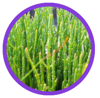
There are two main varieties of Samphire, Rock Samphire and the more common, Marsh Samphire. It looks very much like tiny stalks of asparagus and grows around estuaries and also tidal creeks, either on muddy flats and marshes or in the sand, particularly plentiful on the Coast of Norfolk.
It is has a salty taste, as you might expect from a plant . It has become very popular as an accompaniment to fish dishes - a complimentary "taste of the sea".
Once distilled it loses its saltiness and has a rather pleasant sweetness with fresh grassy notes.
Samphire
___________________________________
Also known as Sweet Gale, Bog Myrtle is widely found in Northern and Western Europe & occurs throughout much of Scotland. The plant has been used, and still is, as a mosquito and midges repellent.
As the name suggests, it is found in bog-like landscapes. It was once used as an ingredient to add flavour to beer (known as gruit) but has been replaced by hops, mainly because the bog myrtle had a reputation for causing severe headaches.
It is extremely aromatic. It tastes a bit like root beer or mouthwash.
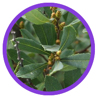
Bog Myrtle
___________________________________
Grains of Paradise is a member of the ginger family. The seeds have a woody, almost piney aroma and a warm, peppery taste tempered with flavours reminiscent of jasmine, hazelnut, butter and citrus
They have the warmth of cardamom and also a hint of lavender which compliments the juniper.
Grains of Paradise
___________________________________
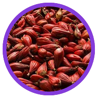
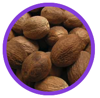
Nutmeg, a sister spice to Mace is grown predominately in Indonesia.
Apart from its use in Gin, the essential oil obtained by steam distillation of ground nutmeg, it is used widely in pharmaceuticals and perfumes. It is also said to be an aphrodisiac.
In gin nutmeg gaves a dry, earthy sweetness on the nose, a gentle heat to the palate and helps sustain lingering warmth at the finish.
Nutmeg
___________________________________
Verbena - citric scent and memories
Sage - subtly spicy scent, softens and calms
Thyme - intense scent
Mint - refreshing flavour
Agrimonia - Saint William's herb
Rosemary
Savory
Water Mint,
Meadowsweet,
Sea Buckthorn
Fennel Seed
Similar to aniseed but with more of a lemon top note.

___________________________________
___________________________________
Spice Botanicals